SINQUANTEUT 58 RENATO FENOCCHIO NEBBIOLO
The Fenocchio family have been farming in Barbaresco since the early 1800’s. The Azienda Agricola Renato Fenocchio was founded in 1993 when owners Renato and Milva purchased a plot in the sought after Staderi Cru in Barbaresco. Since then they have been able to acquire 8 hectares across the villages of Barbaresco, Treiso and Neive. The winery is situated just at the start of the Basarin Cru in the commune of Neive.At the beginning they acted exclusively as growers but took the leap in 2001 to bottle under their own label, just 1349 bottles at the time. They weren’t new to making wine as Renato had previously been making wine prior for a much larger company. He also has fond childhood memories of making wine alongside his father as part of the family business.A great mentor and friend to Renato was Bruno Giacosa, whom they formerly sold a lot of their fruit to and helped support them in the early years as they transitioned to vinifying all their production.Speaking with Milva so much of the conversation is dominated by her unescapable passion for organics and respect for the vineyards. They are certified organic but choose not to put on the label. She describes the challenges at the beginning of converting the vineyards to organics due to the prior owners heavy use of pesticides but fast forwarding to 2022 she feels sites have reacted wonderfully to their approach with not only the soil retaining nutrients and vitality but the wines themselves showcasing the site specifics.This wine is made from the unfashionable Nebbiolo Rosé clone of which the majority of these plantings in Piedmont were pulled up and replaced over the past 30 years due to a lightness in colour and the low yields the clone produces. Albeit to be precise it seems based on Jancis Robinson’s Wine Grapes “Piemontese similar to but genetically distinct from Nebbiolo”. The key differences of this varietal to Nebbiolo is it has lower acidity, lighter structure and colour but as this wine proves has some amazing aromatics.The wine is made from 100% Nebbiolo Rosé clone planted in 1958 over 0.5 hectares in the Starderi Cru. South West exposure. Rather than blend into their Starderi bottling they pick this clone separately and ferment on skins for a much shorter period, just approximately 5 days or so then press off to tank to finish the fermentation. No oak is used at all. The aim is to showcase the more delicate and aromatics this clone offers. As it’s not aged in oak for the time specified by the Barbaresco DOCG is has been bottled as a Vino Rosso. Elegant and so so pretty this wine is a delight to drink.
Product Information
Product Information
Shipping & Returns
Shipping & Returns
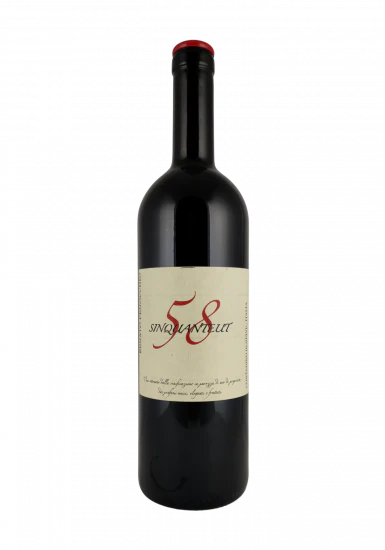
SINQUANTEUT 58 RENATO FENOCCHIO NEBBIOLO
SINQUANTEUT 58 RENATO FENOCCHIO NEBBIOLO
The Fenocchio family have been farming in Barbaresco since the early 1800’s. The Azienda Agricola Renato Fenocchio was founded in 1993 when owners Renato and Milva purchased a plot in the sought after Staderi Cru in Barbaresco. Since then they have been able to acquire 8 hectares across the villages of Barbaresco, Treiso and Neive. The winery is situated just at the start of the Basarin Cru in the commune of Neive.At the beginning they acted exclusively as growers but took the leap in 2001 to bottle under their own label, just 1349 bottles at the time. They weren’t new to making wine as Renato had previously been making wine prior for a much larger company. He also has fond childhood memories of making wine alongside his father as part of the family business.A great mentor and friend to Renato was Bruno Giacosa, whom they formerly sold a lot of their fruit to and helped support them in the early years as they transitioned to vinifying all their production.Speaking with Milva so much of the conversation is dominated by her unescapable passion for organics and respect for the vineyards. They are certified organic but choose not to put on the label. She describes the challenges at the beginning of converting the vineyards to organics due to the prior owners heavy use of pesticides but fast forwarding to 2022 she feels sites have reacted wonderfully to their approach with not only the soil retaining nutrients and vitality but the wines themselves showcasing the site specifics.This wine is made from the unfashionable Nebbiolo Rosé clone of which the majority of these plantings in Piedmont were pulled up and replaced over the past 30 years due to a lightness in colour and the low yields the clone produces. Albeit to be precise it seems based on Jancis Robinson’s Wine Grapes “Piemontese similar to but genetically distinct from Nebbiolo”. The key differences of this varietal to Nebbiolo is it has lower acidity, lighter structure and colour but as this wine proves has some amazing aromatics.The wine is made from 100% Nebbiolo Rosé clone planted in 1958 over 0.5 hectares in the Starderi Cru. South West exposure. Rather than blend into their Starderi bottling they pick this clone separately and ferment on skins for a much shorter period, just approximately 5 days or so then press off to tank to finish the fermentation. No oak is used at all. The aim is to showcase the more delicate and aromatics this clone offers. As it’s not aged in oak for the time specified by the Barbaresco DOCG is has been bottled as a Vino Rosso. Elegant and so so pretty this wine is a delight to drink.
Original: $114.28
-65%$114.28
$40.00Product Information
Product Information
Shipping & Returns
Shipping & Returns
Description
The Fenocchio family have been farming in Barbaresco since the early 1800’s. The Azienda Agricola Renato Fenocchio was founded in 1993 when owners Renato and Milva purchased a plot in the sought after Staderi Cru in Barbaresco. Since then they have been able to acquire 8 hectares across the villages of Barbaresco, Treiso and Neive. The winery is situated just at the start of the Basarin Cru in the commune of Neive.At the beginning they acted exclusively as growers but took the leap in 2001 to bottle under their own label, just 1349 bottles at the time. They weren’t new to making wine as Renato had previously been making wine prior for a much larger company. He also has fond childhood memories of making wine alongside his father as part of the family business.A great mentor and friend to Renato was Bruno Giacosa, whom they formerly sold a lot of their fruit to and helped support them in the early years as they transitioned to vinifying all their production.Speaking with Milva so much of the conversation is dominated by her unescapable passion for organics and respect for the vineyards. They are certified organic but choose not to put on the label. She describes the challenges at the beginning of converting the vineyards to organics due to the prior owners heavy use of pesticides but fast forwarding to 2022 she feels sites have reacted wonderfully to their approach with not only the soil retaining nutrients and vitality but the wines themselves showcasing the site specifics.This wine is made from the unfashionable Nebbiolo Rosé clone of which the majority of these plantings in Piedmont were pulled up and replaced over the past 30 years due to a lightness in colour and the low yields the clone produces. Albeit to be precise it seems based on Jancis Robinson’s Wine Grapes “Piemontese similar to but genetically distinct from Nebbiolo”. The key differences of this varietal to Nebbiolo is it has lower acidity, lighter structure and colour but as this wine proves has some amazing aromatics.The wine is made from 100% Nebbiolo Rosé clone planted in 1958 over 0.5 hectares in the Starderi Cru. South West exposure. Rather than blend into their Starderi bottling they pick this clone separately and ferment on skins for a much shorter period, just approximately 5 days or so then press off to tank to finish the fermentation. No oak is used at all. The aim is to showcase the more delicate and aromatics this clone offers. As it’s not aged in oak for the time specified by the Barbaresco DOCG is has been bottled as a Vino Rosso. Elegant and so so pretty this wine is a delight to drink.